
 +91 98796
66294
+91 98796
66294 erayahealthcare@gmail.com
 B/513, AWS-3,
Manav Mandir Road Memnagar, Ahmedabad
B/513, AWS-3,
Manav Mandir Road Memnagar, Ahmedabad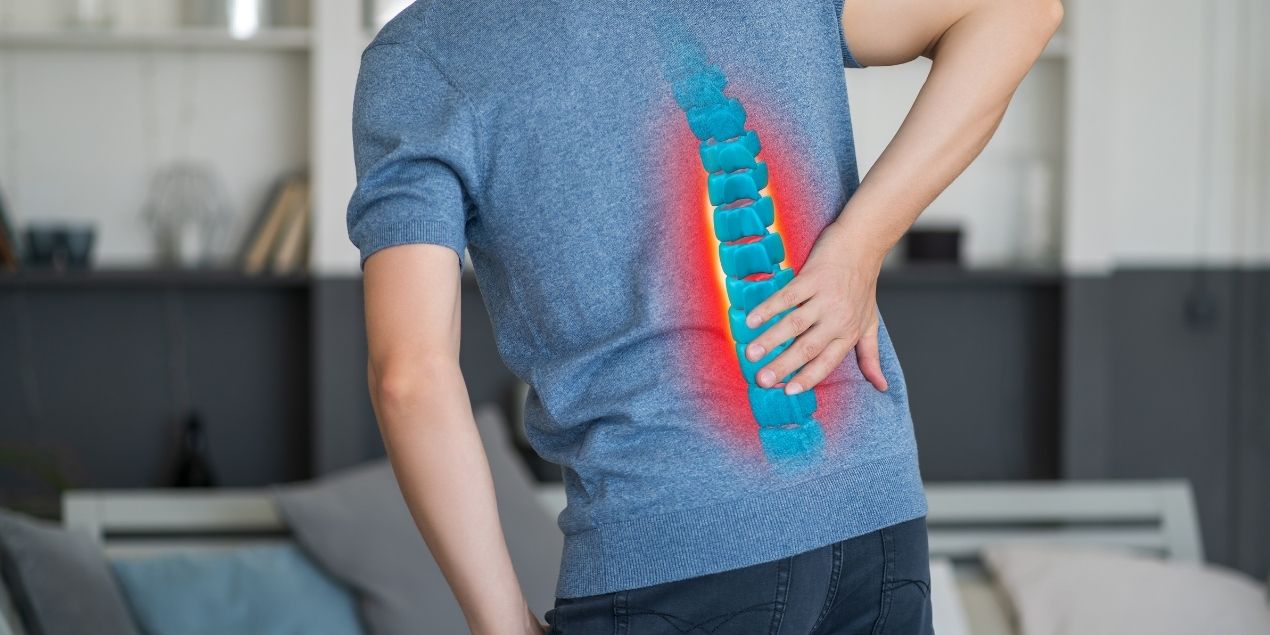
Sciatica is a pain pattern caused by irritation or compression of the sciatic nerve, the body’s longest nerve. It typically starts in the lower back (lumbar spine) and travels through the buttock, back of the thigh, and down to the leg and foot. While the intensity can vary - from a dull ache to sharp, shooting pain - understanding the why and how of sciatica helps people choose safer movements and make informed decisions about care.
Understanding Sciatica
“Sciatica” is a symptom rather than a disease. It refers to radiating pain along the sciatic nerve pathway and may appear on one side of the body. People often describe:
- A burning or electric shock–like pain traveling down the leg
- Tingling (“pins and needles”), numbness, or weakness
- Pain that worsens with sitting, bending forward, coughing, or prolonged standing
The presentation can be acute (days to weeks) or persistent/chronic (lasting longer than 12 weeks).
“Effective sciatica recovery focuses on three pillars: easing nerve irritation, restoring mobility, and rebuilding strength for longterm resilience.”
Common Causes
Multiple structures can irritate or compress the nerve roots that form the sciatic nerve. Frequent contributors include:
1) Lumbar Disc Herniation
A spinal disc can bulge or herniate, pressing on a nearby nerve root (often L4–L5 or L5–S1). This is a common cause in adults, especially after heavy lifting or sudden twisting.
2) Degenerative Changes
Agerelated disc dehydration, facet joint osteoarthritis, or bone spur formation can narrow spaces where nerve roots exit (foramina), producing symptoms.
3) Spinal Stenosis
A generalized narrowing of the spinal canal may compress multiple nerve roots. Symptoms often worsen with standing/walking and ease with sitting or leaning forward.
4) PiriformisRelated Irritation
The piriformis muscle in the buttock can spasm or tighten. In some people, the sciatic nerve runs close to or even through this muscle, increasing susceptibility to irritation.
5) Posture & Loading
Prolonged sitting, poor workstation ergonomics, asymmetric loading (carrying on one side), or deconditioned trunk/hip muscles can increase strain on the lower back and gluteal region.
6) Injury
Falls, sports incidents, or road accidents can injure discs, joints, or soft tissues around the sciatic nerve pathway.
Recognising Symptoms Early
- Radiating leg pain (often below the knee) following the backofthigh/calf route
- Numbness or tingling in the leg or foot
- Muscle weakness (e.g., difficulty lifting the foot or standing on toes)
- Posture sensitivity (worse with prolonged sitting or bending)
- Limited walking tolerance due to leg pain or heaviness
Urgent red flags (seek immediate medical evaluation):
- Loss of bladder or bowel control
- Severe or rapidly worsening weakness
- Numbness in the groin/saddle region
- Unexplained weight loss, fever, or history of significant trauma
How Assessment Typically Works
- History: Onset, aggravating/relieving factors, occupational/fitness habits
- Posture & movement: Spine, hip, and pelvic alignment; gait analysis
- Neurological screen: Sensation, reflexes, and muscle strength
- Special tests: Nerve tension tests (e.g., straightleg raise)
- Imaging: Only when indicated (severe deficits, trauma, persistent symptoms, or when surgery is being considered)
Conservative Care Approaches (Information Only)
1) Education & Activity Modification
- Short, frequent movement breaks if you sit long hours
- Avoid prolonged endranges (deep flexion/twisting) during flareups
- Gradual return to normal activity as pain settles
2) Exercise Therapy
- Mobility: Gentle nerve and hip mobility drills within comfort
- Core & Hip Strength: Gluteal, abdominal, and back extensor strengthening
- Hamstring & Hip Flexor Flexibility: To reduce posterior chain tension
- Progressive Loading: From isometrics to dynamic, functional tasks
3) Manual Techniques
Joint mobilization and softtissue techniques may reduce pain and improve movement tolerance in the short term.
4) Modalities (Adjuncts)
Heat/cold packs, TENS/IFT, or therapeutic ultrasound are sometimes used as adjuncts to support pain relief. These are complements - not replacements - for active rehab.
5) Ergonomics & Lifestyle
- Chair height, lumbar support, screen level, keyboard/mouse placement, and foot support can reduce strain.
- Sleep positions: Sidelying with a pillow between knees, or backlying with a pillow under knees, can ease symptoms.
When to Seek Professional Help
- Pain lasting more than 1–2 weeks or recurring frequently
- Night pain or pain limiting basic daily activities
- Numbness, tingling, or weakness in the leg/foot
- A sudden onset after lifting or twisting
- Any redflag signs listed above
SelfCare Tips (General Guidance)
- Keep moving within tolerable limits; complete bed rest generally slows recovery.
- Use relative rest during sharp flareups, then gradually reintroduce walking and simple exercises.
- Pace your day: alternate sitting, standing, and short walks.
- For desk work, try the 2082 rule each half hour (20 minutes sit, 8 minutes stand, 2 minutes’ walk or stretch).
- Consider logroll technique for getting in/out of bed to reduce strain.
- If any activity sharpens leg symptoms or causes new numbness/weakness, stop and get advice.
Key Takeaways
- Sciatica is a nerverelated pain pattern, most often due to disc or mechanical irritation near the lumbar spine.
- Symptoms include radiating leg pain, tingling/numbness, and sometimes weakness.
- Conservative care - education, graded exercise, manual techniques, and ergonomic adjustments - forms the foundation of recovery for many people.
- Seek professional evaluation for persistent, severe, or progressive symptoms, or if red flags are present.
- Longterm success relies on consistent movement, strength, and posture habits, not quick fixes.
Conclusion
Sciatica can be painful, limiting, and frustrating - but with the right physiotherapy guidance, it is completely treatable.
At Eraya Health Care (Ahmedabad), our goal is to help you regain pain-free movement, improve mobility, and return to your daily routine with strength and confidence.
If you’re experiencing sciatica symptoms, don’t wait for the pain to worsen - early physiotherapy leads to faster recovery.
 Emergency No. : (+91)
84870 77767
Emergency No. : (+91)
84870 77767