
 +91 98796
66294
+91 98796
66294 erayahealthcare@gmail.com
 B/513, AWS-3,
Manav Mandir Road Memnagar, Ahmedabad
B/513, AWS-3,
Manav Mandir Road Memnagar, Ahmedabad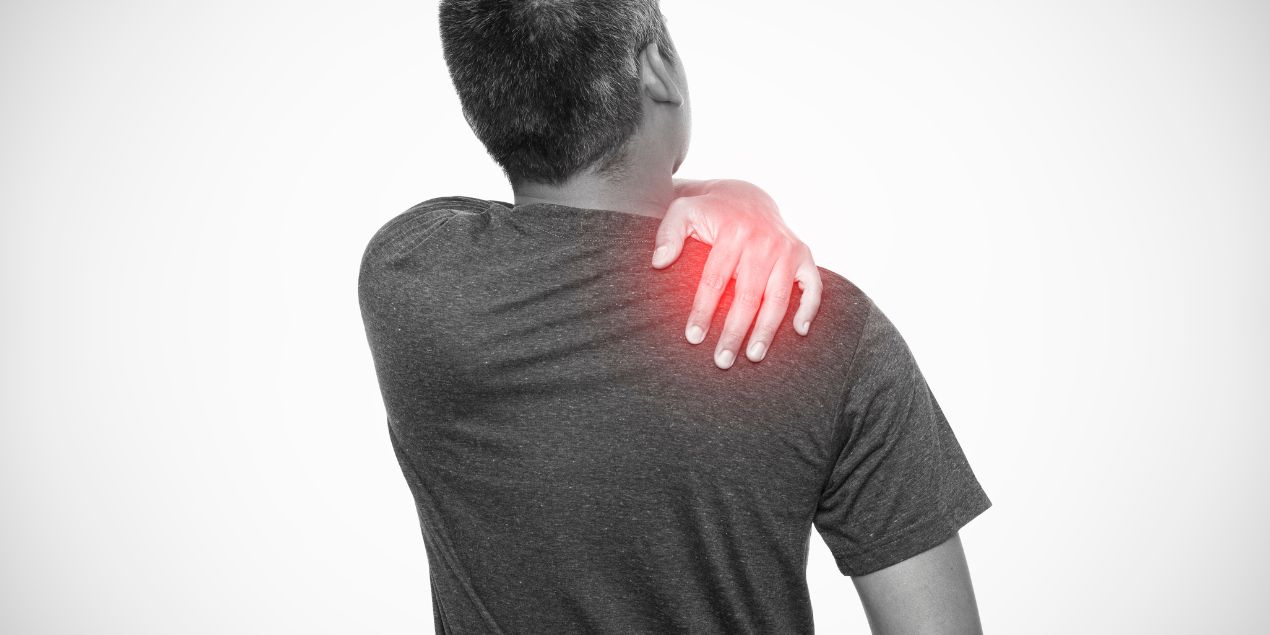
Frozen shoulder, medically known as Adhesive Capsulitis, is a painful and restrictive condition that leads to progressive shoulder stiffness and limited movement. It affects essential daily activities like lifting, reaching, or even sleeping on the affected shoulder. As one of the most common causes of shoulder pain in adults aged 40–60, frozen shoulder physiotherapy plays a crucial role in helping patients recover faster. The condition typically progresses through three phases - Freezing, Frozen, and Thawing - and may last anywhere from 9 months to 3 years without proper treatment.
In this blog, you’ll learn how physiotherapy for frozen shoulder helps speed up healing, restore shoulder mobility, and reduce persistent pain.
Understanding Frozen Shoulder
Frozen shoulder results from inflammation and thickening of the capsule surrounding the shoulder joint. Clinical guidelines highlight that diagnosis includes 25% movement restriction in at least two planes and over 50% limitation in external rotation, often persisting for more than a month. This is why early adhesive capsulitis treatment can greatly improve outcomes.
The condition is more common in individuals with diabetes, thyroid issues, or those who’ve had prolonged shoulder immobilization. Knowing these risk factors helps physiotherapists customise shoulder rehabilitation plans that accelerate recovery.
How Physiotherapy Speeds Up Frozen Shoulder Recovery
1. StageWise Physiotherapy Approach
Frozen shoulder progresses through different phases, and recovery is fastest when treatment is stage-specific. Research stresses the importance of tailoring physiotherapy for frozen shoulder depending on whether the patient is in a paindominant (freezing) or stiffnessdominant (frozen) stage. Skilled physiotherapists modify treatment intensity to avoid flare-ups while improving mobility.
This stage-wise approach ensures smoother, safer, and quicker frozen shoulder recovery.
2. Manual Therapy to Increase Mobility & Reduce Pain
Manual therapy - an essential component of frozen shoulder physiotherapy - includes:
- Capsular stretching
- Joint mobilization
- Soft-tissue release
Evidence shows that Muscle Energy Technique (MET) significantly improves range of motion and reduces shoulder stiffness. Similarly, research on the Spencer Muscle Energy Technique (SMET) shows promising improvement in shoulder function. These techniques help restore biomechanics and accelerate mobility restoration.
3. Exercise Therapy – The Core of Faster Recovery
Exercise therapy is the most important physiotherapy intervention for frozen shoulder. Evidence shows that exercises such as:
- Gentle range-of-motion exercises
- Stretching to reduce tightness
- Strengthening for shoulder stabilizers
These exercises play the biggest role in accelerating recovery and preventing further capsular tightening. Research strongly supports exercises as the central method for adhesive capsulitis treatment, with manual therapy acting as a powerful companion. Through consistent physiotherapy exercises for frozen shoulder, patients regain flexibility, strength, and shoulder mobility faster.
4. Adjunct Therapies for Pain Relief
While exercises and manual therapy are primary treatments, supportive modalities like:
- TENS
- Interferential therapy
- Shortwave diathermy (SWD)
- Therapeutic ultrasound
Adjunct therapies may assist with early-stage frozen shoulder pain relief. However, research shows mixed results, so electrotherapies should be used only as addon support and not as replacements for movement-based therapy.
5. Corticosteroid Injection + Physiotherapy Combination
Many patients benefit from a combination of corticosteroid injection and physiotherapy. Studies show corticosteroids help reduce severe inflammation early on, allowing physiotherapy sessions to be more effective. But injections alone do not restore mobility - physiotherapy remains essential for long-term recovery.
How Long Does Recovery Take with Physiotherapy?
Frozen shoulder can naturally take years to resolve, but with consistent physiotherapy, improvements are seen within 6–12 weeks, depending on the severity and stage. Patients typically regain:
- Better shoulder mobility
- Reduced pain
- Improved functional use of the arm
This makes Eraya Health Care physiotherapy a powerful and evidence-backed approach to faster healing.
Home Tips to Recover Faster
- ✔ Apply Heat Before Exercises – Helps loosen tight tissues before stretching.
- ✔ Perform Your Home Exercise Program Daily – Consistency is key.
- ✔ Avoid Total Rest – Movement prevents further joint capsule tightening.
- ✔ Maintain Posture – Good alignment reduces unnecessary stress on the shoulder.
- ✔ Stretch but Don’t Push Through Sharp Pain – Mild discomfort is okay; sharp pain is not.
These selfcare tips, combined with a structured treatment plan, bring quicker frozen shoulder recovery.
When Is Surgery Needed?
Only a small fraction of patients requires surgical options like manipulation under anaesthesia or arthroscopic capsular release. These are typically recommended only when conservative care fails. Research confirms that most patients recover well with structured physiotherapy and do not need surgery.
Conclusion - Recover Faster with Eraya Health Care Physiotherapy
Frozen shoulder can be slow and frustrating, but physiotherapy is the fastest, safest, and most effective treatment for restoring shoulder movement and reducing pain. With a combination of stage-specific exercises, manual therapy, and guided mobility training, patients can drastically shorten the recovery timeline.
At Eraya Health Care – Physiotherapy Centre, we provide personalised, evidence-based treatment plans for frozen shoulder, helping patients regain mobility, reduce pain, and return to normal activities faster - without unnecessary medications or surgery. Start your frozen shoulder recovery today with Eraya Health Care.
 Emergency No. : (+91)
84870 77767
Emergency No. : (+91)
84870 77767